

Honouring a loved one through a memorial monument is a meaningful way to preserve memories and create a lasting tribute. One of the most commonly selected options is grave plaques, which provide a simple yet respectful way to mark a resting place. Available in a range of materials, sizes, and designs, plaques can be personalised with names, dates, photographs, and meaningful messages that reflect the life of the individual being remembered.
Traditional carved letters headstones remain a popular choice for families seeking a permanent and highly visible memorial. Stone carving has been used for generations because of its durability and timeless appearance. The engraved lettering can include personal inscriptions, family details, religious symbols, or quotations that hold special significance to relatives and friends.
Among the most durable memorial materials available are granite plaques, which are valued for their strength, weather resistance, and long lifespan. Granite is often chosen because it maintains its appearance for many years while allowing detailed engraving and customisation. The material is available in various colours and finishes, providing flexibility for different memorial styles.
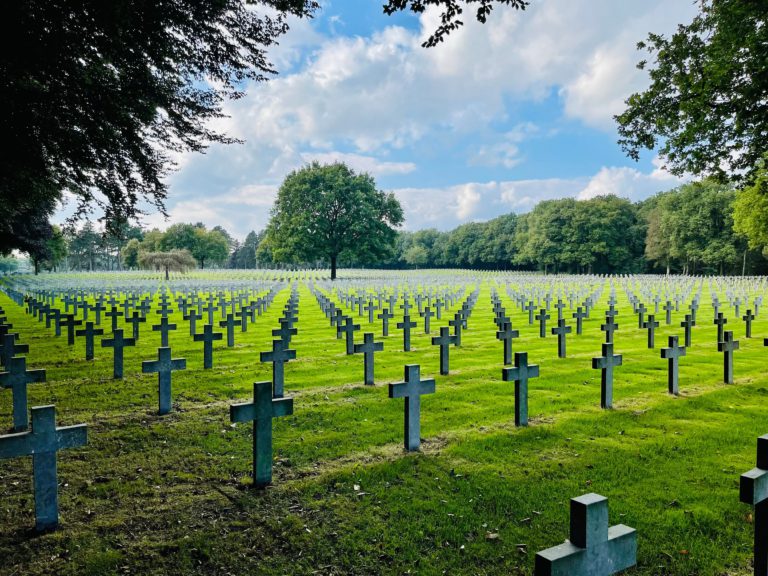
Headstones are among the most recognised forms of memorial monuments. They may be upright, slanted, or flat in design and can be customised to reflect cultural traditions, personal preferences, or cemetery requirements. Many families choose headstones because they provide a focal point for remembrance and visitation.
Full monument memorials offer a larger tribute option and often include a headstone mounted on a substantial base. These monuments may feature decorative carvings, religious imagery, floral designs, or symbolic artwork. Full monuments are often selected when families wish to create a more prominent memorial presence.
Memorial benches have become increasingly popular in cemeteries, gardens, parks, and community spaces. These tributes combine practicality with remembrance, providing visitors with a place to sit and reflect. Benches may include plaques or engraved inscriptions commemorating a loved one while contributing to a public or shared environment.
Garden memorials provide an alternative to traditional cemetery monuments. Families may create dedicated remembrance spaces using landscaping, plants, sculptures, water features, and decorative plaques. These settings offer a personal and peaceful location for reflection and remembrance.
Mausoleums and crypts represent another form of memorial monument. These structures provide above-ground burial or entombment options and are often selected by families seeking long-term preservation and a distinctive memorial setting. Designs can range from simple family crypts to elaborate architectural structures.
Cremation memorials have also become more common. These may include memorial walls, niche plaques, commemorative gardens, or specially designed monuments that incorporate ashes. Such options provide flexibility while maintaining a dedicated place of remembrance.
Personalisation has become an important aspect of modern memorial design. Families increasingly choose custom artwork, photographs, inscriptions, and symbols that reflect the interests, achievements, or personality of the deceased. These features help create unique tributes that celebrate individual lives.
Ultimately, memorial monuments serve as lasting reminders of loved ones and the impact they had on family and community. Whether through plaques, headstones, monuments, benches, or gardens, these tributes provide a place for reflection and remembrance while preserving memories for future generations. Careful selection of a memorial can help ensure that a person's legacy continues to be honoured for many years to come.






























 towels, plastic goods, etc. Just take the initiative of recycling as far as possible rather than sending everything to the landfill or garbage. Have a complete selection of recycling bins to separate plastic, glass, cans and paper. Place recycling bins at the guests' rooms also. Use cloth napkins rather than paper. If you do not need old crockery, furniture, appliances, fixtures, etc., contribute to charity rather than throwing them out.
 in a cafes and restaurants. Not merely are cafes busy and generating the wrong impression, the coffee house was full of people, loud and you would not always be sure you could procure a personal booth.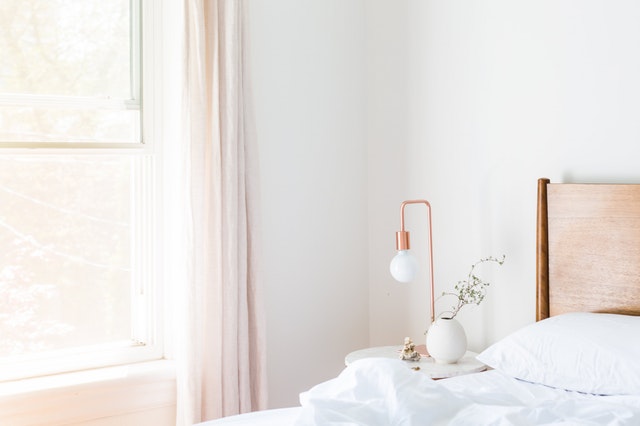
 Review the area's acoustics, ventilation and system controls. If at all possible, add more insulation between walls, then install an updated rug or carpet, add cloth walls with cushioned wrought iron wall panels on the headboard. These measures help boost relaxation. Additionally, the space ought to be ventilated properly. Standard mistakes are air vents blowing over the mattress.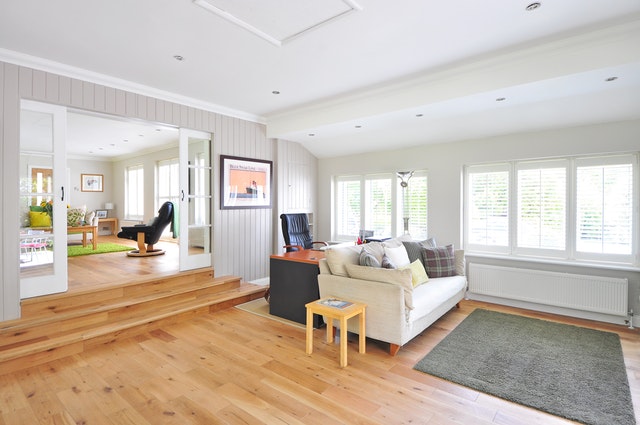

 However, doing this with no plan is similar to driving without a map and you will probably take a wrong turn and get lost.